
Kids Games for Toddlers 3-5: Fun, Educational, and Engaging Activities
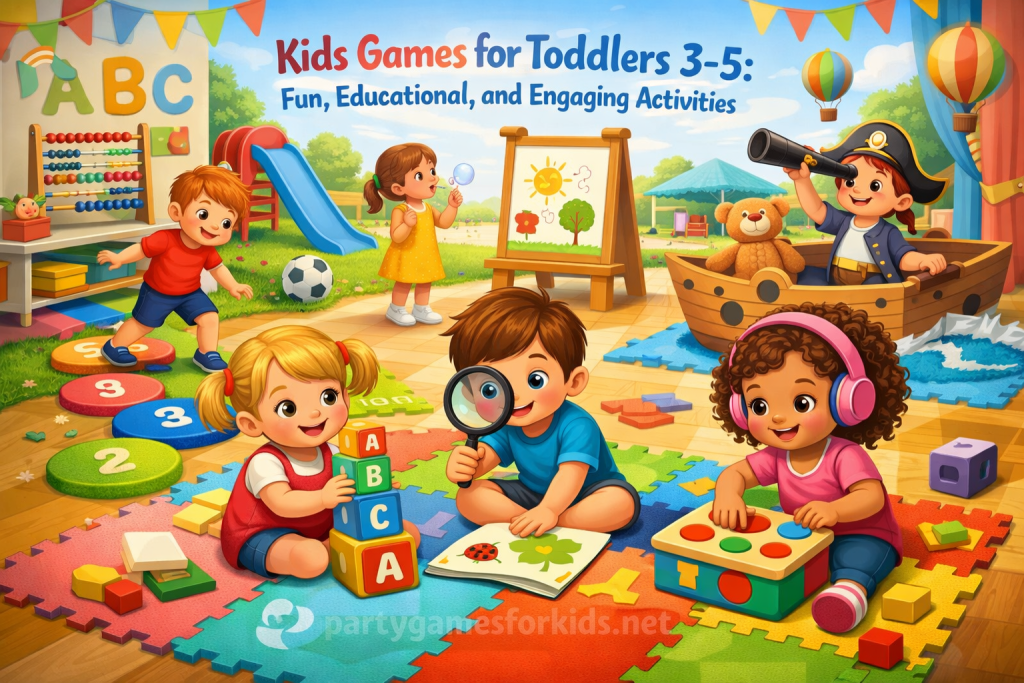
When it comes to toddlers aged 3-5, finding the right balance between fun and education is key. At this stage, kids are eager to explore, learn, and engage with the world around them. However, choosing the right games and activities can be challenging for parents and caregivers. With so many options available, what are the best kids’ games for toddlers aged 3-5? Let’s dive into some of the most popular, educational, and fun games that help toddlers grow while having a blast.
What Makes a Great Game for Toddlers Aged 3-5?
Before we explore specific games, it’s important to understand what makes a game suitable for toddlers between 3 and 5 years old. At this age, toddlers are developing essential skills such as coordination, communication, problem-solving, and social skills. Therefore, the best games should:
- Encourage Physical Movement: Toddlers are full of energy and need activities that allow them to move around, helping them develop motor skills.
- Foster Cognitive Development: Games should stimulate their thinking, memory, and reasoning skills.
- Promote Social Interaction: Activities that encourage sharing, turn-taking, and working together help toddlers learn how to interact with others.
- Be Simple Yet Engaging: Toddlers’ attention spans are short, so games should be easy to understand and not too long.
Now, let’s take a look at some of the most fun and educational games for toddlers in this age group.
1. Building Blocks and Stacking Games
How Do They Help?
Building blocks, such as classic wooden blocks or stackable plastic toys, help toddlers improve their fine motor skills. Stacking and arranging the blocks encourages hand-eye coordination and helps toddlers understand the concepts of balance and spatial awareness. It also fosters creativity as they build towers, houses, and shapes.
Recommended Games:
- LEGO Duplo Sets: These larger, safer blocks are perfect for little hands and allow toddlers to explore basic construction.
- Wooden Stacking Rings: Simple and effective for learning how to stack rings in order of size.
2. Interactive Learning Games
How Do They Help?
Interactive learning games, whether digital or physical, engage toddlers in activities that teach shapes, colors, numbers, and even the alphabet. These games usually involve sounds, lights, or visuals that attract the toddler’s attention, making learning feel like play.
Recommended Games:
- LeapFrog Learning Tablets: These age-appropriate tablets provide a mix of educational content such as letters, numbers, and vocabulary.
- Shape Sorters: Games that involve sorting shapes help toddlers grasp the concept of categories and enhance their understanding of shapes and sizes.
3. Pretend Play and Role-Playing Games
How Do They Help?
Pretend play is one of the most important activities for toddlers as it encourages imagination, emotional development, and social skills. By pretending to be a chef, doctor, or teacher, toddlers practice communication and empathy, learning how to express their feelings and understand others.
Recommended Games:
- Play Kitchen Sets: These sets allow toddlers to role-play as cooks, which promotes creativity, problem-solving, and even basic math skills like counting and measuring.
- Doctor Kits: These toys help toddlers understand basic health concepts and allow them to engage in imaginative play.
4. Memory and Matching Games
How Do They Help?
Memory games and matching activities help toddlers improve their memory and concentration. These games typically involve matching pictures, numbers, or letters, which fosters early cognitive development.
Recommended Games:
- Memory Match Cards: These simple card games can be tailored to teach animals, shapes, or colors.
- Shape or Color Matching Puzzles: Toddlers can work on recognizing patterns and matching similar items.
5. Outdoor Physical Play Games
How Do They Help?
Toddlers need plenty of time to move, run, and play outside. Outdoor games develop gross motor skills and encourage coordination, strength, and flexibility. Whether it’s jumping, climbing, or running, physical games contribute significantly to a toddler’s physical development.
Recommended Games:
- T-ball Sets: These sets teach toddlers basic hand-eye coordination as they hit balls with a bat.
- Mini Trampolines: Trampolines are fun and allow toddlers to burn off energy while improving balance and coordination.
6. Art and Craft Activities
How Do They Help?
Art activities allow toddlers to express themselves creatively while enhancing their fine motor skills. Using crayons, markers, or clay helps improve their dexterity, hand-eye coordination, and ability to focus on a task.
Recommended Games:
- Coloring Books: Simple coloring books with large spaces encourage toddlers to stay within lines, helping them develop focus and attention to detail.
- Clay or Play-Dough Sets: These allow toddlers to create shapes, animals, and objects, fostering creativity and enhancing fine motor skills.
7. Musical Games
How Do They Help?
Musical games are perfect for toddlers as they help with auditory development, rhythm, and coordination. Singing, dancing, or playing with simple musical instruments like tambourines or xylophones encourages sensory development and can be a lot of fun.
Recommended Games:
- Musical Toys: Xylophones, tambourines, and keyboards are great options for toddlers who are learning to explore music.
- Sing-Along Games: Kids’ sing-along apps or YouTube channels with interactive songs can keep toddlers entertained while they learn new words and rhythms.
8. Puzzles and Problem-Solving Games
How Do They Help?
Puzzles and problem-solving games are fantastic for toddlers because they help with cognitive development. These games encourage toddlers to think critically, practice patience, and improve their problem-solving skills as they figure out how pieces fit together.
Recommended Games:
- Jigsaw Puzzles: Simple puzzles with large pieces help toddlers develop spatial awareness and patience.
- Shape-Matching Toys: Toys that require toddlers to match shapes to the correct holes help develop their problem-solving abilities.
Conclusion
Choosing the right games for toddlers aged 3-5 is essential for fostering development in areas like motor skills, social interaction, and cognitive abilities. Whether it’s through building blocks, pretend play, or outdoor activities, games can help toddlers learn and grow in a fun, engaging way. By offering a variety of age-appropriate games, parents and caregivers can support toddlers’ development while ensuring they enjoy every moment of their playtime.
If you’re looking for ways to keep your toddler engaged, try incorporating some of these fun, educational games into their routine. Not only will they love playing, but they’ll be building important skills along the way!